Case · Product · 2023

JobMigra

A job search platform for first-generation immigrants, with automatic translation, accessibility features, and learning resources.

Role
UX/UI Designer
Period
August — September 2023
Context
Project for the Google UX Design Certificate (Google / Coursera)
Tools
Figma · FigJam · Photoshop · Illustrator
Problem

First-generation immigrants face a language barrier, little time to look for jobs, and experience abroad that employers don’t recognize.

Solution

A job search platform with automatic translation, an accessible interface, and learning resources.

Status

Design project completed through the high-fidelity prototype, tested with 10 participants.

01

Context

First-generation immigrants look for work in a language they are still learning.

I designed JobMigra for the Google UX Design Certificate between August and September 2023, from research to usability testing.

I assumed the problem was a lack of jobs. Research showed that language and qualifications weighed just as much.

02

The problem

First-generation immigrants need to find jobs that match their skills and their situation. Along the way they hit language barriers and lack time to search, and some roles require more training before they qualify.

  • Automatic translationremove the language barrier
  • Accessible interfacea platform that is simple to use
  • Learning resourceshelp to build qualifications
  • Faster searchless time spent searching and applying
03

Research

In the empathize phase, I ran a survey to understand what first-generation immigrants need when looking for work. My starting assumption was that the main barrier was a lack of opportunities. The findings pointed to other challenges: language barriers and the need for more training.

04

Personas

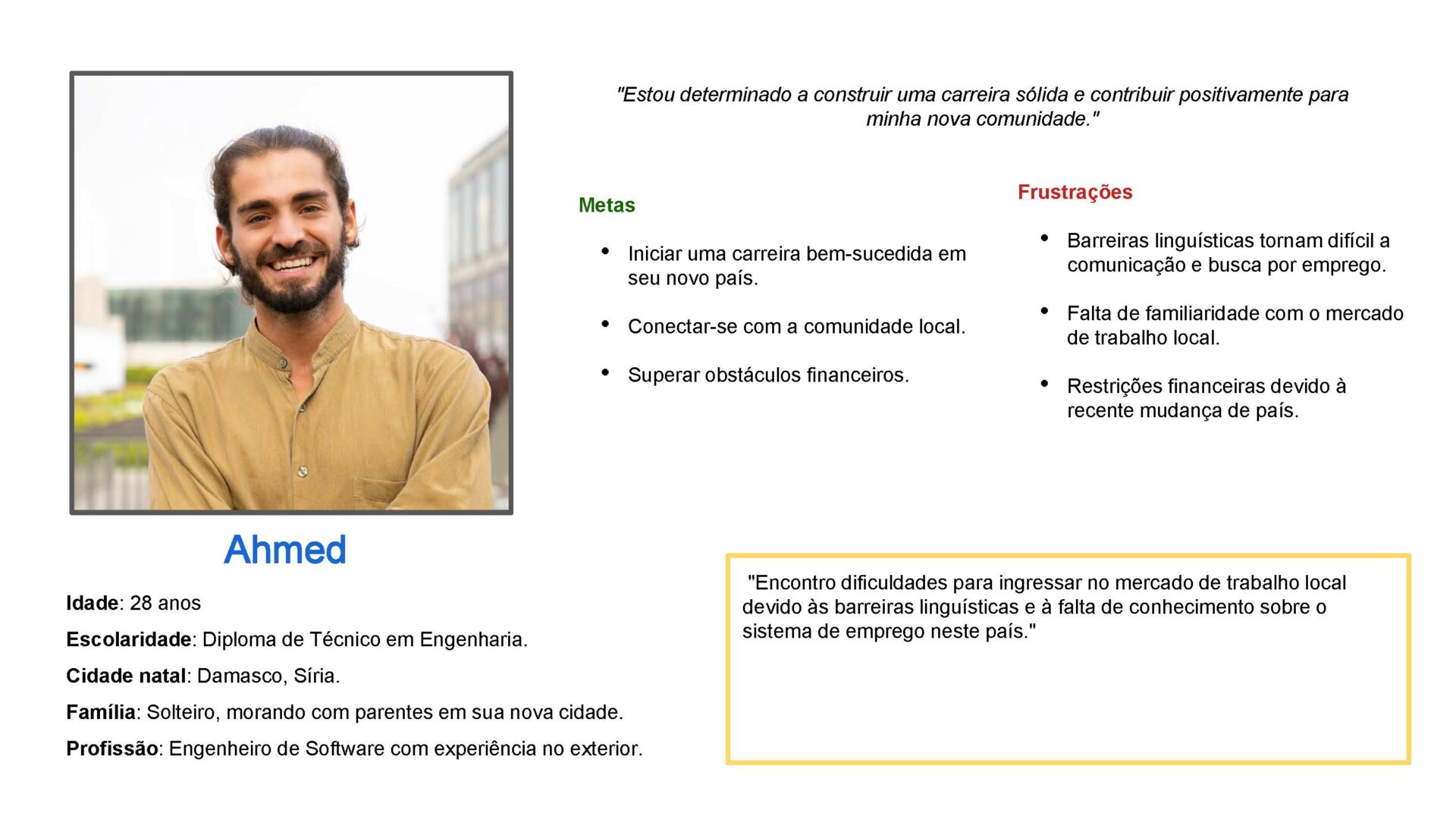
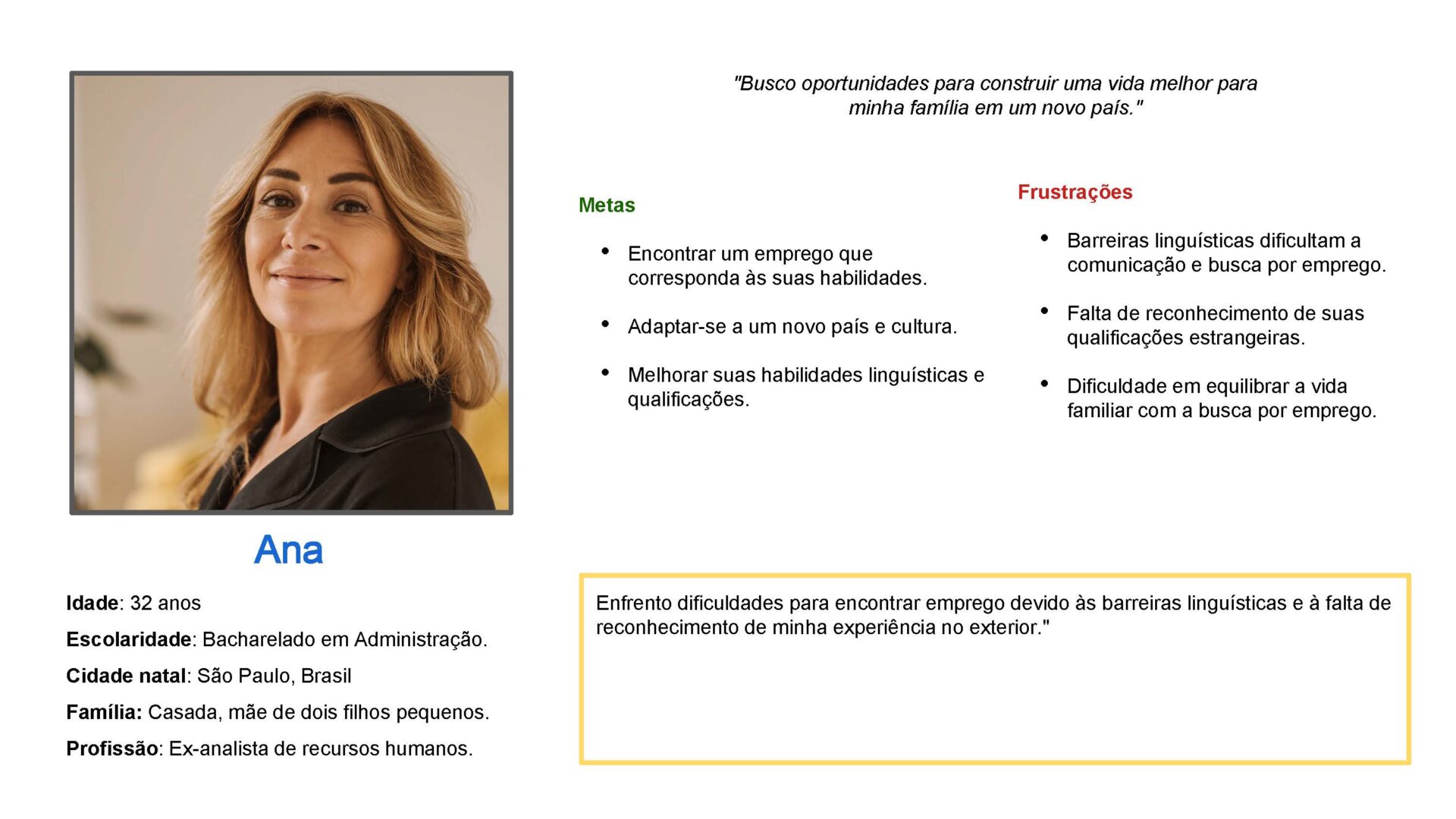
I built two personas, each with its own problem statement.

  • Persona 1“I struggle to find a job because I lack recognition and experience abroad.”
  • Persona 2“I struggle to find a job because of language barriers and because my experience abroad isn’t recognized.”
Persona 1 and their problem statement
Persona 2 and their problem statement
05

Competitors

An audit of a few competitors’ products showed gaps and opportunities that JobMigra could address.

Competitive audit
Competitive audit
06

Ideation

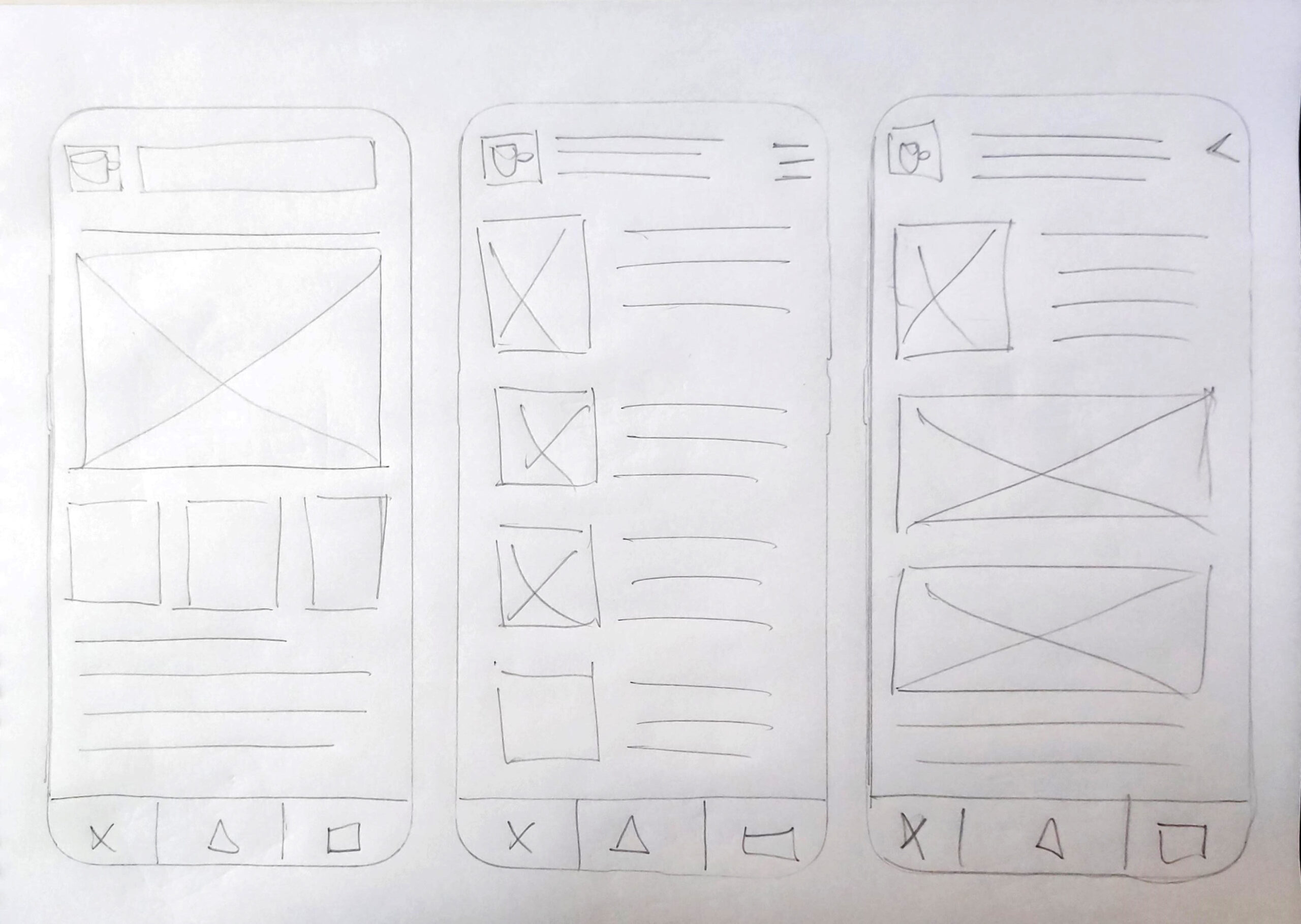
I ran a quick ideation exercise to find ways to close the gaps from the audit, then turned the ideas into digital wireframes.

Digital wireframes
Digital wireframes
Ideation based on the audit gaps
07

Testing

I tested with an unmoderated remote usability study in Brazil, with 10 participants and 30- to 60-minute sessions. The study covered how much automatic translation mattered and feedback on overall usability. The high-fidelity prototype kept the low-fidelity flow, adjusted based on the test results.

08

Accessibility

Accessibility shaped the design from the start.

  • Screen readerscompatible with assistive technology
  • Contrast and typehigh contrast and adjustable font size
09

Takeaways

Research changed the question, from “where are the jobs?” to “what keeps this person from applying?”

I learned to test the assumption before designing the answer.

JobMigra stayed a Google UX Design Certificate project, completed at the high-fidelity prototype. The next steps I had in mind: more languages and local partnerships, built-in courses and certifications, and personalization for each user.

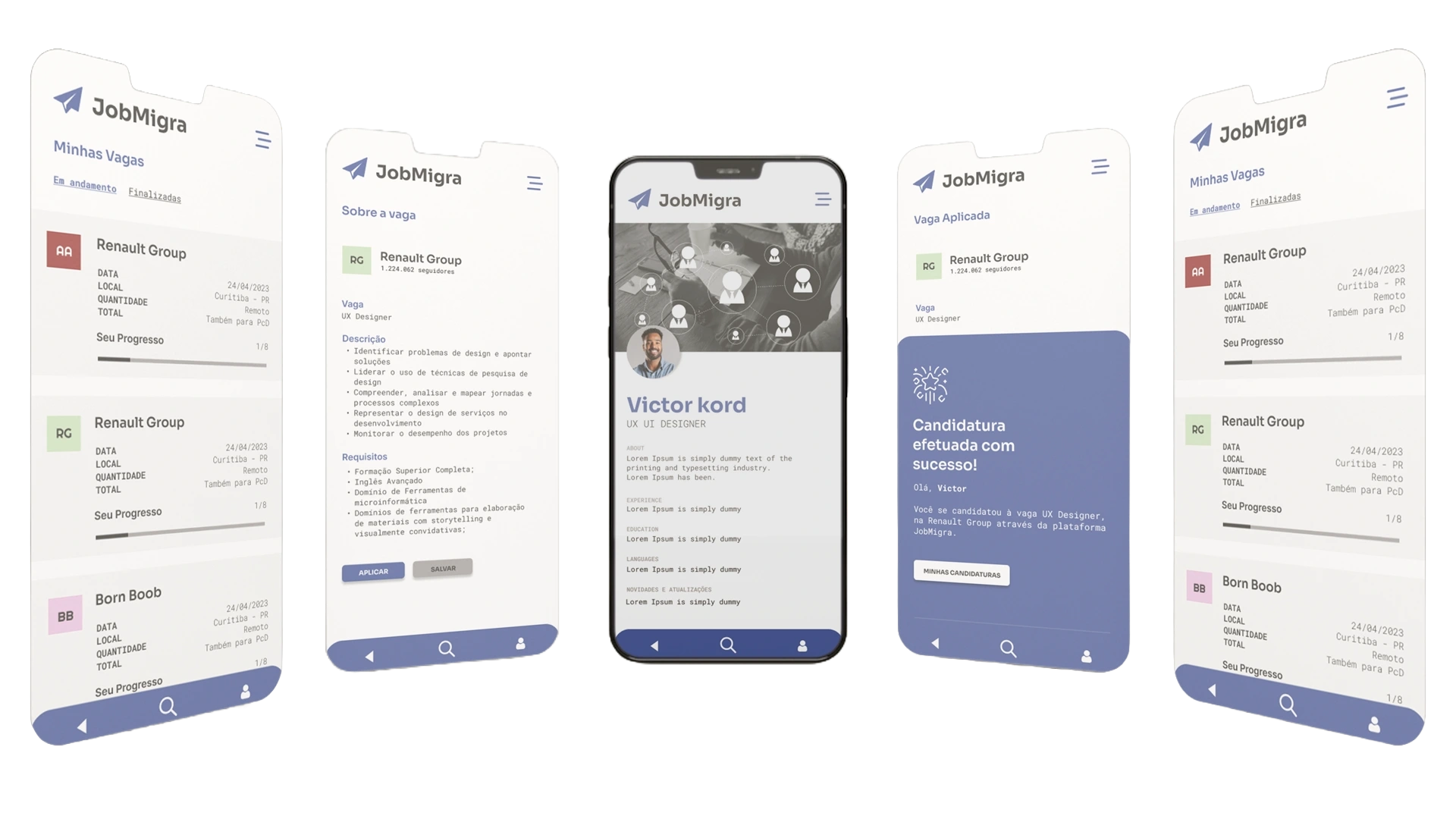
JobMigra screens
JobMigra screens
JobMigra screens in use
Final JobMigra screens